

Your car’s tires are its only contact with the road, making them one of the most critical safety components. Proper tire maintenance not only extends their lifespan but also improves fuel efficiency, handling, and braking performance. According to the National Highway Traffic Safety Administration (NHTSA), underinflated tires contribute to nearly 11,000 crashes annually.
In this guide, we’ll share five essential tire care tips to help you maximize tread life, enhance safety, and save money on premature replacements.
1. Check Tire Pressure Monthly
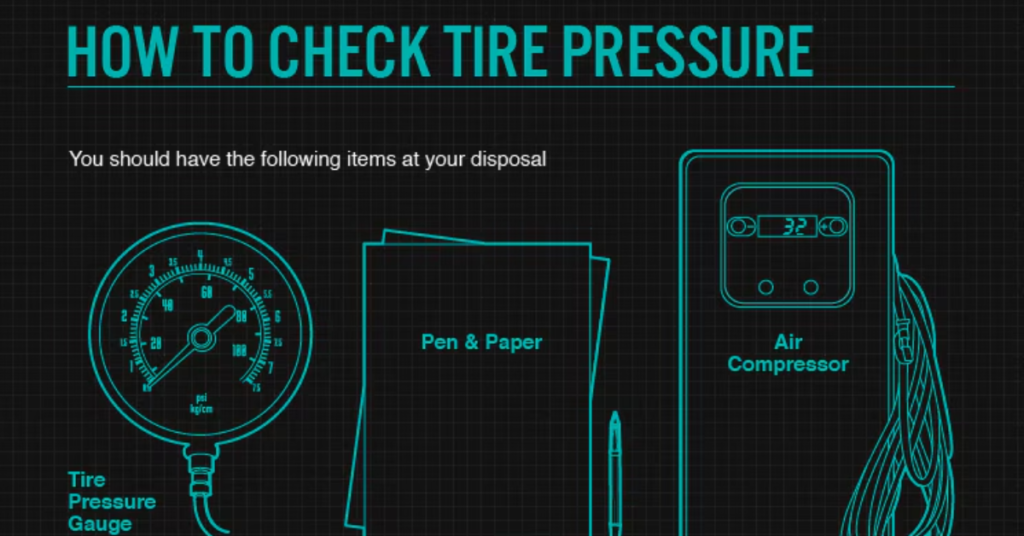
Why it matters:
- Underinflated tires increase rolling resistance, reducing fuel efficiency by up to 3% (U.S. Department of Energy).
- Overinflation leads to uneven wear and a harsher ride.
How to do it right:
✔ Use a digital tire pressure gauge (more accurate than gas station sensors).
✔ Check when tires are cold (before driving or after sitting for 3+ hours).
✔ Follow the PSI recommendation in your owner’s manual or door jamb sticker (not the tire’s max pressure).
Pro Tip: Set a monthly reminder—tires lose about 1 PSI per month naturally.
2. Rotate Tires Every 5,000–7,500 Miles
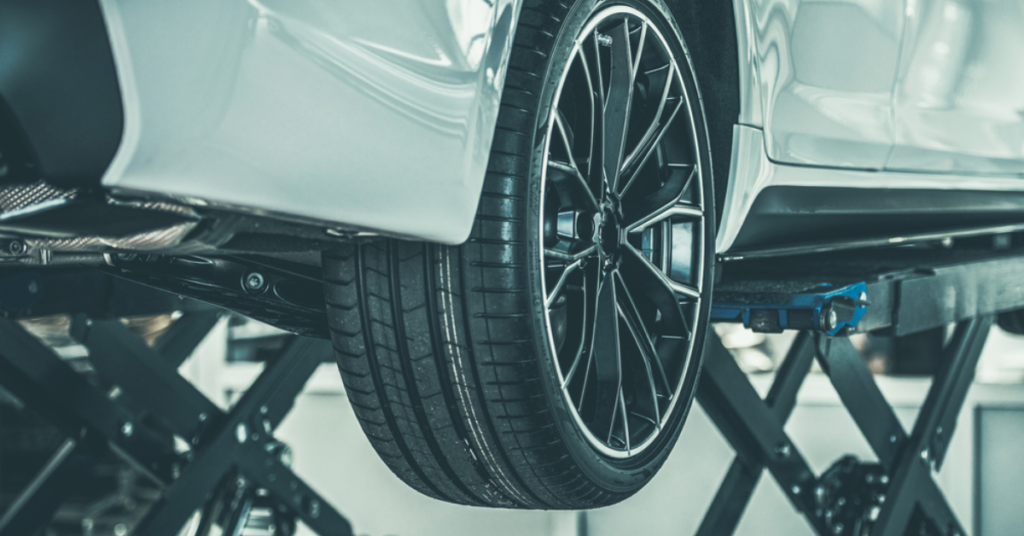
Why it matters:
- Front tires wear faster than rear tires due to steering and braking forces.
- Regular rotation promotes even tread wear, extending tire life by 20% or more.
Rotation patterns:
- Front-wheel drive: Move front tires straight back, rear tires crossed to the front.
- Rear-wheel/AWD: Follow manufacturer recommendations (often a “rearward cross” pattern).
Pro Tip: Get rotations done during oil changes for convenience.
3. Inspect Tread Depth & Wear Patterns
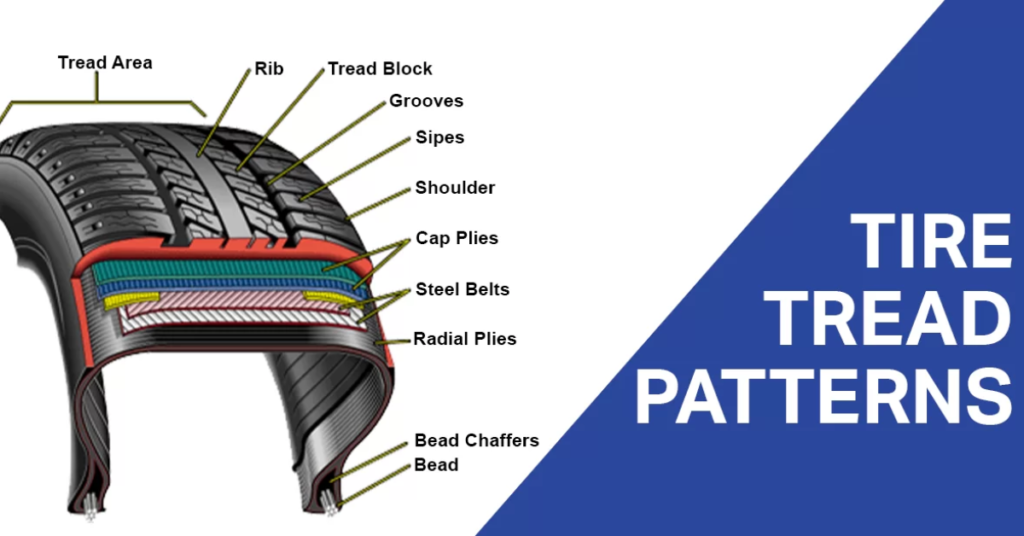
Why it matters:
- Bald tires (below 2/32”) triple stopping distances on wet roads (NHTSA).
- Uneven wear signals alignment or suspension issues.
How to check:
✔ Penny Test: Insert a penny into the tread with Lincoln’s head upside down. If you see his entire head, replace tires.
✔ Look for cupping, feathering, or inner/outer edge wear—signs of alignment problems.
Pro Tip: Consider tread depth gauges (5–5–10) for precise measurements.
4. Balance & Align Wheels Annually
Why it matters:
- Unbalanced tires cause vibrations, uneven wear, and stress on suspension.
- Misalignment reduces fuel efficiency and accelerates tire wear.
When to get it done:
- After hitting potholes or curbs.
- If you notice pulling to one side while driving.
- When installing new tires.
Pro Tip: Ask for a computerized alignment (more precise than manual adjustments).
5. Store Tires Properly (If Using Seasonal Sets)
Why it matters:
- Improper storage leads to flat spots, dry rot, and sidewall cracking.
Best practices:
✔ Clean tires before storage to remove brake dust and road salt.
✔ Store upright or hung—never stacked flat for long periods.
✔ Keep in a cool, dry place away from sunlight and ozone sources (like electric motors).
Pro Tip: Use tire bags to protect against UV and moisture damage.
FAQs Section
1. How often should I check tire pressure?
At least once a month and before long trips. Temperature changes (hot/cold weather) affect pressure.
2. Can I mix different tire brands or tread patterns?
No—mismatched tires can cause handling issues, especially in AWD/4WD vehicles. Always replace in pairs or full sets.
3. What’s the ideal tire tread depth for safety?
Replace tires at 4/32” for winter driving and 2/32” (legal minimum) for summer.
4. Do nitrogen-filled tires last longer?
Nitrogen reduces pressure loss over time, but properly maintained air-filled tires perform similarly for most drivers.
5. How long do tires typically last?
Average lifespan is 40,000–60,000 miles, but driving habits, climate, and maintenance play huge roles.
6. Should I repair a punctured tire or replace it?
Punctures smaller than ¼” in the tread can often be repaired. Sidewall damage always requires replacement.
Well-maintained tires save money, improve safety, and enhance performance. By following these five key tips—monitoring pressure, rotating regularly, checking tread, balancing wheels, and proper storage—you can double your tires’ lifespan and drive with confidence.