
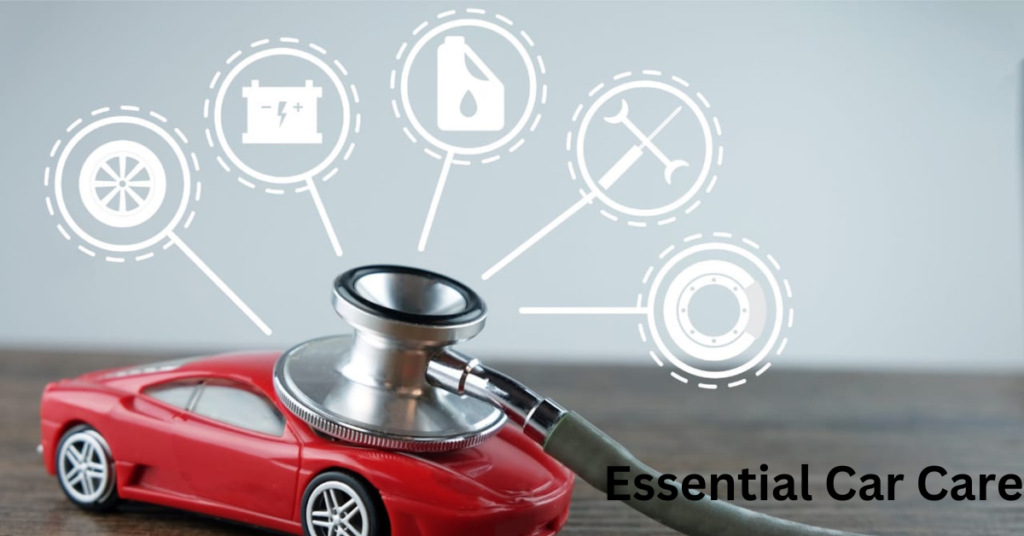
Your car is more than just a mode of transportation—it’s an investment. Proper car care not only ensures your vehicle runs smoothly but also extends its lifespan, improves safety, and maintains its resale value. Whether you’re a new driver or a seasoned car owner, these 10 essential car care tips will help you keep your vehicle in top condition.
1. Regularly Check and Change Your Oil

Oil is the lifeblood of your car’s engine. It lubricates moving parts, reduces friction, and prevents overheating. Neglecting oil changes can lead to engine damage and costly repairs.
- Tip: Check your oil level monthly using the dipstick.
- Frequency: Change your oil every 5,000 to 7,500 miles, or as recommended in your owner’s manual.
- Pro Tip: Use high-quality synthetic oil for better performance and longevity.
According to a study by AAA, 35% of drivers delay or skip oil changes, which can lead to engine failure. Don’t be part of that statistic!
2. Keep Your Tires in Check
Your tires are the only part of your car that touches the road, so their condition is critical for safety and performance.
- Check Tire Pressure: Underinflated or overinflated tires can reduce fuel efficiency and increase the risk of blowouts. Use a tire pressure gauge to ensure they’re at the recommended PSI (found in your owner’s manual or on the driver’s side door jamb).
- Rotate Tires: Rotate your tires every 6,000 to 8,000 miles to ensure even wear.
- Inspect Tread Depth: Use the “penny test” to check tread depth. Insert a penny into the tread with Lincoln’s head facing down. If you can see the top of his head, it’s time for new tires.
3. Wash and Wax Your Car Regularly
Car cleaning isn’t just about aesthetics—it’s about protection. Dirt, grime, and road salt can damage your car’s paint and lead to rust.
- Washing: Wash your car every two weeks to remove dirt and contaminants. Use a pH-balanced car shampoo and a microfiber cloth to avoid scratches.
- Waxing: Wax your car every three to six months to protect the paint and give it a glossy finish. Wax acts as a barrier against UV rays, bird droppings, and tree sap.
Expert Quote: “Regular washing and waxing can add years to your car’s paint life,” says John Nielsen, AAA’s managing director of automotive engineering.
4. Replace Wiper Blades and Top Off Windshield Washer Fluid
Visibility is crucial for safe driving, especially in adverse weather conditions.
- Wiper Blades: Replace wiper blades every six months to a year, or when they start streaking.
- Windshield Washer Fluid: Keep your washer fluid reservoir full and use a solution that works in all seasons.
5. Maintain Your Battery

A dead battery can leave you stranded. Regular battery maintenance ensures your car starts reliably.
- Clean Terminals: Corrosion on battery terminals can hinder performance. Clean them with a mixture of baking soda and water.
- Check Charge: Use a multimeter to check your battery’s voltage. A healthy battery should read around 12.6 volts when the car is off.
- Pro Tip: If your battery is more than three years old, have it tested annually by a professional.
6. Inspect and Replace Air Filters
Your car’s engine and cabin air filters play a vital role in performance and air quality.
- Engine Air Filter: A clogged air filter can reduce fuel efficiency and engine power. Replace it every 12,000 to 15,000 miles.
- Cabin Air Filter: This filter keeps dust and allergens out of your car’s interior. Replace it every 15,000 to 30,000 miles.
7. Monitor Fluid Levels
Your car relies on several fluids to operate smoothly. Regularly check and top off:
- Coolant: Prevents overheating.
- Brake Fluid: Ensures proper braking performance.
- Transmission Fluid: Keeps gears shifting smoothly.
- Power Steering Fluid: Makes steering easier.
Refer to your owner’s manual for the correct fluid types and replacement intervals.
8. Pay Attention to Warning Lights

Modern cars are equipped with dashboard warning lights that alert you to potential issues.
- Common Lights: Check engine, oil pressure, battery, and tire pressure warning lights.
- Action: Don’t ignore these lights. Have your car inspected by a professional as soon as possible.
Statistic: According to CarMD, the average cost to repair a check engine light issue is $381. Addressing problems early can save you money.
9. Keep Your Interior Clean
A clean interior enhances your driving experience and preserves your car’s value.
- Vacuum Regularly: Remove dirt and debris from carpets and seats.
- Clean Surfaces: Use appropriate cleaners for your dashboard, console, and upholstery.
- Leather Care: Condition leather seats every six months to prevent cracking.
10. Schedule Regular Professional Inspections
While DIY car maintenance is essential, professional inspections can catch issues you might miss.
- Frequency: Have your car inspected by a certified mechanic at least once a year.
- Focus Areas: Brakes, suspension, exhaust system, and alignment.
FAQs
1. How often should I wash my car?
Wash your car every two weeks to remove dirt and contaminants that can damage the paint.
2. What’s the best way to protect my car’s paint?
Regular washing and waxing (every three to six months) are the best ways to protect your car’s paint from UV rays and environmental damage.
3. How can I improve my car’s fuel efficiency through maintenance?
Keep your tires properly inflated, replace air filters, and change your oil regularly to improve fuel efficiency.
4. What are the signs that my car needs an oil change?
Signs include dark or dirty oil, engine knocking, and the oil change indicator light on your dashboard.
5. How do I clean leather car seats without damaging them?
Use a mild leather cleaner and a soft cloth. Avoid harsh chemicals and condition the leather every six months.
6. Is it necessary to wax my car regularly?
Yes, waxing every three to six months protects your car’s paint and maintains its shine.
Conclusion
Taking care of your car doesn’t have to be complicated. By following these 10 essential car care tips, you can ensure your vehicle remains reliable, safe, and visually appealing for years to come. Remember, regular maintenance not only saves you money in the long run but