

Your car is one of the most significant investments you’ll make, and with proper care, it can serve you reliably for years—even decades. The average lifespan of a car in the U.S. is about 12 years, but with diligent maintenance, many vehicles can surpass 200,000 miles or more. Whether you’re driving a brand-new model or a trusted older vehicle, understanding how to extend its lifespan through proper car care is essential.
In this guide, we’ll explore practical tips and strategies to keep your car running smoothly, improve its longevity, and save you money in the long run. Let’s dive in!
Why Proper Car Care Matters
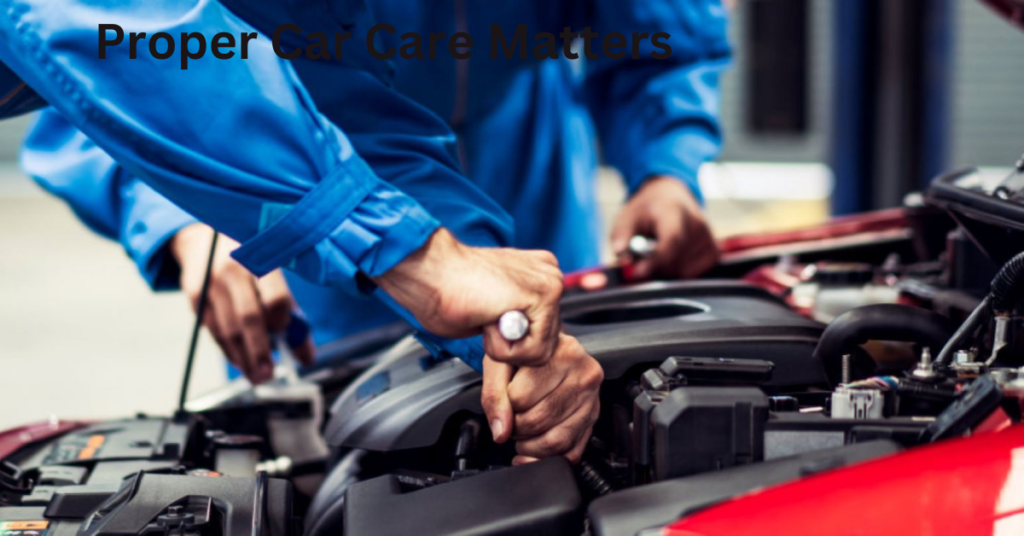
Regular maintenance isn’t just about avoiding breakdowns—it’s about maximizing your car’s potential. Here’s why car care is so important:
- Prevents Costly Repairs: Small issues, if ignored, can turn into expensive problems.
- Improves Safety: A well-maintained car is less likely to fail unexpectedly.
- Boosts Resale Value: A car with a documented maintenance history is more attractive to buyers.
- Enhances Performance: Regular care ensures your car runs efficiently and reliably.
According to a report by CarMD, the average cost of a check engine light-related repair is $381. By staying on top of maintenance, you can avoid such expenses and keep your car in peak condition.
10 Tips to Extend Your Car’s Lifespan
1. Follow the Manufacturer’s Maintenance Schedule
Your car’s owner’s manual is your best friend when it comes to maintenance.
- What to do: Adhere to the recommended schedule for oil changes, tire rotations, and other services.
- Why it matters: Manufacturers design these schedules to optimize your car’s performance and longevity.
2. Change the Oil and Filters Regularly
Clean oil and filters are vital for your engine’s health.
- How often? Change the oil every 5,000 to 7,500 miles and replace air filters every 12,000 to 15,000 miles.
- Why it matters: Dirty oil and clogged filters can cause engine wear and reduce efficiency.
Pro Tip: Use synthetic oil for better performance and longer intervals between changes.
3. Keep Tires in Top Condition
Tires are your car’s only contact with the road, so their condition is critical.
- What to do: Check tire pressure monthly, rotate tires every 6,000 to 8,000 miles, and align them annually.
- Why it matters: Properly maintained tires improve fuel efficiency, handling, and safety.
Did you know? Underinflated tires can reduce gas mileage by up to 3%, according to the U.S. Department of Energy.
4. Protect Your Car’s Exterior
Regular cleaning and protection can prevent rust and paint damage.
- What to do: Wash your car every two weeks, wax it every 3 to 6 months, and address scratches promptly.
- Why it matters: A well-maintained exterior preserves your car’s appearance and resale value.
5. Monitor Fluid Levels
Your car relies on several fluids, including coolant, brake fluid, and transmission fluid.
- What to do: Check fluid levels monthly and top them off as needed.
- Why it matters: Low or dirty fluids can lead to engine overheating, brake failure, or transmission issues.
6. Drive Responsibly

Your driving habits have a significant impact on your car’s lifespan.
- What to do: Avoid aggressive acceleration, hard braking, and overloading your vehicle.
- Why it matters: Gentle driving reduces wear and tear on the engine, brakes, and suspension.
7. Replace Worn-Out Parts Promptly
Ignoring worn-out parts can lead to bigger problems.
- What to do: Replace brake pads, windshield wipers, and belts as soon as they show signs of wear.
- Why it matters: Timely replacements prevent damage to other components and ensure safety.
8. Keep the Interior Clean
A clean interior isn’t just about comfort—it’s about preserving your car’s value.
- What to do: Vacuum regularly, clean spills immediately, and use protectants on surfaces like leather or vinyl.
- Why it matters: A well-maintained interior prevents stains, odors, and deterioration.
9. Store Your Car Properly
If you’re not driving your car for an extended period, proper storage is key.
- What to do: Use a car cover, keep the fuel tank full, and disconnect the battery if necessary.
- Why it matters: Proper storage prevents rust, flat spots on tires, and battery drain.
10. Invest in Professional Inspections
Even if you’re diligent about maintenance, professional inspections can catch issues you might miss.
- What to do: Schedule a comprehensive inspection with a trusted mechanic at least once a year.
- Why it matters: Professionals can identify potential problems early and recommend preventive measures.
FAQs
1. How often should I wash my car to protect its exterior?
Wash your car every two weeks to remove dirt, salt, and debris that can damage the paint.
2. What’s the best way to improve fuel efficiency?
Keep tires properly inflated, change air filters regularly, and avoid aggressive driving habits.
3. How can I prevent rust on my car?
Wash your car frequently, especially in winter, and address scratches or chips in the paint immediately.
4. Is it necessary to use premium fuel for my car?
Only if your owner’s manual recommends it. For most cars, regular unleaded fuel is sufficient.
5. How do I know when to replace my car’s timing belt?
Refer to your owner’s manual, but most timing belts need replacement every 60,000 to 100,000 miles.
6. Can I perform basic maintenance tasks myself?
Yes! Tasks like checking oil, tire pressure, and fluid levels are easy to learn and can save you money.
Conclusion
Extending the lifespan of your car isn’t just about saving money—it’s about ensuring reliability, safety, and performance for years to come. By following these car care tips, you can keep your vehicle in excellent condition and avoid costly repairs.
Remember, a little effort goes a long way. Whether you’re changing the oil, rotating tires, or simply keeping your car clean, every step you take contributes to its longevity. If you’re ever unsure about a maintenance task, don’t hesitate to consult your owner’s manual or seek professional help.
Your car deserves the best care, and with these tips, you’ll be well on your way to enjoying a dependable vehicle for many miles ahead. Happy driving!