

Your car is more than just a mode of transportation—it’s an investment. Proper car care not only ensures your vehicle runs smoothly but also extends its lifespan, improves safety, and maintains its resale value. For beginners, the world of car maintenance Tips can seem overwhelming, but it doesn’t have to be. With a few essential tips, you can keep your car in top shape without breaking the bank.
According to a study by AAA, neglecting basic maintenance can lead to repair costs that are up to 50% higher than the cost of regular upkeep. Whether you’re a new driver or simply new to car ownership, this guide will walk you through the basic car care tips every beginner should know.
Why Car Care Matters

Before diving into the tips, let’s address why car maintenance is so important. Regular care:
- Prevents costly repairs down the road.
- Enhances safety by ensuring all systems are functioning properly.
- Improves fuel efficiency, saving you money at the pump.
- Maintains your car’s appearance and resale value.
As the saying goes, “An ounce of prevention is worth a pound of cure.” This couldn’t be truer when it comes to your vehicle.
10 Essential Car Care Tips for Beginners
1. Check and Change Your Oil Regularly
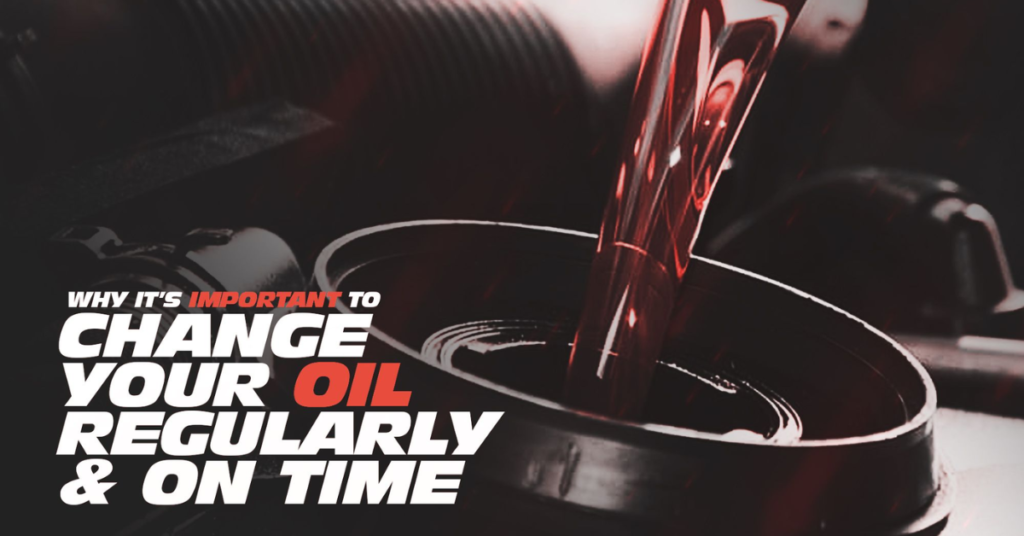
Oil is the lifeblood of your car’s engine. It lubricates moving parts, reduces friction, and prevents overheating.
- How often? Most manufacturers recommend an oil change every 5,000 to 7,500 miles, but check your owner’s manual for specifics.
- What to do: Check the oil level monthly using the dipstick. If it’s dark or gritty, it’s time for a change.
Pro Tip: Use the recommended oil grade for your car to ensure optimal performance.
2. Inspect and Maintain Tire Pressure
Proper tire pressure is crucial for safety, fuel efficiency, and tire longevity.
- How often? Check tire pressure at least once a month and before long trips.
- What to do: Use a tire pressure gauge to ensure your tires match the PSI (pounds per square inch) listed in your owner’s manual or on the driver’s side door jamb.
Did you know? Underinflated tires can reduce fuel efficiency by up to 3%, according to the U.S. Department of Energy.
3. Rotate and Align Your Tires

Tire rotation ensures even wear, while alignment keeps your car driving straight.
- How often? Rotate tires every 6,000 to 8,000 miles and check alignment annually or if you notice uneven wear.
- What to do: Visit a professional mechanic for these services.
4. Keep Your Car Clean
Regular cleaning isn’t just about aesthetics—it protects your car’s exterior and interior.
- Exterior: Wash your car every two weeks to remove dirt, salt, and debris that can damage the paint.
- Interior: Vacuum seats and carpets regularly to prevent stains and odors.
Pro Tip: Use a pH-balanced car shampoo and microfiber cloths to avoid scratching the paint.
5. Replace Windshield Wipers
Worn-out wipers can compromise visibility during rain or snow.
- How often? Replace wipers every 6 to 12 months or if they streak or squeak.
- What to do: Purchase wipers that fit your car’s make and model, or ask for assistance at an auto parts store.
6. Check and Replace Air Filters
Air filters keep dust and debris out of your engine and cabin.
- How often? Replace the engine air filter every 12,000 to 15,000 miles and the cabin air filter every 15,000 to 30,000 miles.
- What to do: Inspect filters during oil changes and replace them if they’re dirty.
7. Monitor Fluid Levels
Your car relies on several fluids to operate smoothly, including coolant, brake fluid, and transmission fluid.
- How often? Check fluid levels monthly and top them off as needed.
- What to do: Refer to your owner’s manual for the location of each fluid reservoir and the recommended type.
8. Test Your Battery
A dead battery can leave you stranded.
- How often? Test your battery every 6 months and clean the terminals to prevent corrosion.
- What to do: Use a multimeter to check the voltage or visit a mechanic for a professional inspection.
9. Inspect Brakes Regularly
Brakes are critical for safety.
- How often? Have your brakes inspected every 12,000 miles or if you hear squeaking or grinding noises.
- What to do: Replace brake pads and rotors as recommended by your mechanic.
10. Follow Your Owner’s Manual
Your car’s owner’s manual is a treasure trove of information.
- What to do: Refer to it for maintenance schedules, fluid types, and troubleshooting tips.
FAQs
1. How often should I wash my car?
Wash your car every two weeks to remove dirt and debris. In winter or coastal areas, wash it more frequently to prevent salt damage.
2. What’s the best way to protect my car’s paint?
Regular washing, waxing every 3 to 6 months, and using a paint sealant can protect your car’s paint from UV rays and environmental damage.
3. How can I improve my car’s fuel efficiency through maintenance?
Keep tires properly inflated, change air filters regularly, and use the recommended grade of motor oil to improve fuel efficiency.
4. What are the signs that my car needs an oil change?
Look for dark or gritty oil on the dipstick, a lit “check engine” light, or unusual engine noises.
5. How do I clean leather car seats without damaging them?
Use a mild leather cleaner and conditioner, and avoid harsh chemicals or abrasive tools.
6. Is it necessary to wax my car regularly?
Yes, waxing every 3 to 6 months protects the paint and gives your car a shiny finish.
Conclusion
Taking care of your car doesn’t have to be complicated. By following these basic car care tips, you can ensure your vehicle remains reliable, safe, and efficient for years to come. Remember, regular maintenance is far more affordable than costly repairs.
If you’re ever unsure about a task, don’t hesitate to consult your owner’s manual or seek help from a professional mechanic. Your car—and your wallet—will thank you!
Start implementing these tips today, and enjoy the peace of mind that comes with a well-maintained vehicle. Happy driving!